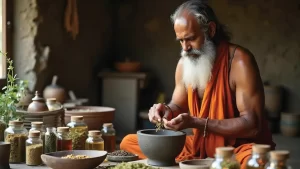

Understanding Stress and Anxiety
In today’s fast-paced world, stress and anxiety have become a part of everyday life. From work deadlines to personal responsibilities, our minds are constantly overwhelmed. While modern medicine often relies on quick fixes or chemical-based solutions, Ayurveda – the ancient Indian science of life – offers time-tested, natural remedies to restore inner peace and emotional balance.
Through the wisdom of Ayurveda, we can address not only the symptoms of stress but its root causes – imbalance in the doshas (Vata, Pitta, and Kapha). At Ayurvedic Cure Hub, we believe in promoting holistic healing through ever-evolving Ayurvedic remedies that bring harmony to mind, body, and soul.
Ayurveda and Mental Wellness: A Holistic Approach
Ayurveda views health as a delicate balance between the body, mind, and spirit. Stress is often linked to an imbalance in Vata dosha, which governs movement and the nervous system. When Vata is disturbed, it leads to restlessness, fear, and anxiety.
Unlike synthetic medications, Ayurvedic treatment emphasizes natural herbs, daily rituals, breathing exercises, and a sattvic diet that nurture the mind from within. The goal is not merely to suppress stress but to build resilience and inner calmness through lifestyle harmony.
The Ayurvedic View on Stress and the Mind-Body Connection
According to Ayurvedic principles, mental distress arises when the mind (Manas) becomes disconnected from the Atman (Self). This disconnection is often caused by poor diet, irregular routines, sensory overload, and unresolved emotions.
Ayurveda identifies three mental states:
- Sattva (Harmony and Clarity)
- Rajas (Activity and Restlessness)
- Tamas (Inertia and Confusion)
When Rajas and Tamas dominate, they cloud the mind, leading to stress, anxiety, and fatigue. Ayurvedic therapies aim to increase Sattva, bringing clarity, peace, and mindfulness back into your life.
7 Effective Ayurvedic Remedies for Stress and Anxiety
Let’s explore seven powerful Ayurvedic remedies that can naturally help you manage stress and anxiety.
1. Ashwagandha – The Powerful Adaptogen
Ashwagandha (Withania somnifera) is one of the most celebrated herbs in Ayurveda for reducing stress. It acts as an adaptogen, helping your body adapt to physical, emotional, and environmental stressors.
Benefits:
- Reduces cortisol (stress hormone) levels
- Enhances energy and endurance
- Improves sleep quality and cognitive function
How to use:
Take 500–1000 mg of Ashwagandha root powder daily with warm milk or water, or as directed by your Ayurvedic practitioner.
2. Brahmi – The Brain Tonic
Brahmi (Bacopa monnieri) is a traditional Ayurvedic herb known for boosting memory, focus, and emotional stability. It nourishes the nervous system, calms the mind, and supports long-term mental clarity.
Benefits:
- Reduces anxiety and mental fatigue
- Supports cognitive function and learning
- Promotes restful sleep
How to use:
Consume Brahmi tea or capsules, or mix 1 teaspoon of Brahmi powder in warm water daily.
3. Shankhpushpi – The Calming Herb
Shankhpushpi (Convolvulus pluricaulis) is another mind-soothing herb that balances the nervous system. It enhances intellect, concentration, and emotional control, making it ideal for those facing chronic stress or burnout.
Benefits:
- Relieves nervous tension and insomnia
- Improves mental focus
- Supports heart and brain health
How to use:
Take Shankhpushpi syrup or powder twice daily after meals.
4. Jatamansi – The Natural Tranquilizer
Jatamansi (Nardostachys jatamansi) is considered one of the most effective herbs for calming the mind and promoting sound sleep. It has sedative properties that help balance the Vata and Pitta doshas.
Benefits:
- Reduces anxiety and depression
- Promotes better sleep and relaxation
- Detoxifies the nervous system
How to use:
Consume ½ teaspoon of Jatamansi powder with warm milk before bedtime.
5. Tulsi (Holy Basil) – The Sacred Stress Reliever
Tulsi (Ocimum sanctum), also known as Holy Basil, is revered in Ayurveda for its spiritual and medicinal properties. It supports emotional balance, strengthens the immune system, and acts as a natural antidepressant.
Benefits:
- Reduces oxidative stress
- Balances cortisol and blood sugar
- Enhances focus and positivity
How to use:
Drink Tulsi tea twice daily or chew fresh Tulsi leaves in the morning.
6. Medhya Rasayana – The Mind Rejuvenator
The term Medhya Rasayana refers to rejuvenating formulations that enhance mental clarity, intellect, and memory. They are made using herbs like Mandukaparni, Yashtimadhu, and Guduchi.
Benefits:
- Promotes long-term brain health
- Improves focus and emotional stability
- Reduces anxiety-related fatigue
How to use:
Consult an Ayurvedic expert for personalized Medhya Rasayana combinations suitable for your dosha type.
7. Abhyanga (Ayurvedic Oil Massage) – The Soothing Ritual
Beyond herbs, Ayurveda emphasizes the power of touch and self-care. Abhyanga, or self-oil massage, is a time-honored practice that calms the nerves and promotes a deep sense of relaxation.
Benefits:
- Reduces muscle tension and fatigue
- Balances Vata dosha
- Improves sleep and mental calmness
How to practice:
Warm sesame or coconut oil, gently massage your body from head to toe, and follow with a warm bath.
Ayurvedic Diet and Lifestyle for a Peaceful Mind
Ayurveda teaches that what you eat directly affects your emotions. To maintain mental tranquility:
- Favor warm, cooked, and nourishing meals like khichdi, soups, and ghee.
- Avoid stimulants such as caffeine, alcohol, and processed foods.
- Include calming herbs and spices – turmeric, cardamom, cumin, and fennel.
- Follow regular meal times and eat in a peaceful environment.
- Sleep early, rise with the sun, and maintain a consistent daily routine.
A sattvic diet, emphasizing purity, balance, and lightness, forms the foundation of mental wellness in Ayurveda.
Breathing and Meditation Techniques from Ayurveda
Breath (Prana) governs the mind. When Prana flows smoothly, thoughts remain clear and emotions balanced. Incorporating Pranayama (breathing exercises) and Dhyana (meditation) can dramatically reduce anxiety levels.
Recommended practices:
- Nadi Shodhana (Alternate Nostril Breathing): Balances both hemispheres of the brain.
- Bhramari (Bee Breath): Reduces anger and nervousness.
- Guided Meditation: Calms overactive thoughts and promotes self-awareness.
Regular practice helps align your body’s rhythm with nature, promoting deep peace and mental clarity.
Modern Research Supporting Ayurvedic Stress Remedies
Recent scientific studies validate what Ayurveda has known for centuries.
- Ashwagandha has been clinically proven to reduce cortisol and improve stress resilience.
- Brahmi enhances cognitive function and decreases anxiety symptoms.
- Jatamansi and Tulsi exhibit strong anti-depressant and neuroprotective effects.
Researchers worldwide continue exploring these ever-evolving Ayurveda remedies, reinforcing their relevance in modern mental health care.
Balancing Mind, Body, and Spirit
Stress and anxiety may be inevitable, but suffering from them isn’t. Ayurveda offers a timeless path to inner peace through nature’s wisdom – by aligning your habits, thoughts, and nourishment with your unique constitution.
At Ayurvedic Cure Hub, we believe true healing begins with balance. Whether through herbs, rituals, or mindfulness, every Ayurvedic remedy empowers you to reconnect with your natural state of calm.
Remember – peace of mind isn’t found; it’s cultivated daily through awareness and self-care.
Conclusion
Integrating Ayurveda into your daily life isn’t just about taking herbs – it’s about creating a lifestyle that nurtures mental clarity, emotional strength, and spiritual peace.
Explore more Ayurvedic wellness insights at Ayurvedic Cure Hub, where ancient wisdom meets modern well-being.
FAQs
How long does it take for Ayurvedic remedies to reduce stress and anxiety?
Results vary from person to person, but noticeable improvements typically appear within 2–4 weeks of consistent practice and herbal use.
Can Ayurvedic herbs be taken with modern medications?
It’s best to consult a qualified Ayurvedic practitioner before combining herbal remedies with allopathic medicines to avoid potential interactions.
Is Ashwagandha safe for long-term use?
Yes, Ashwagandha is generally safe when taken in recommended doses. However, pregnant or breastfeeding women should seek medical advice before use.
What is the best Ayurvedic routine for managing daily stress?
Adopt a Dinacharya (daily routine) including early rising, yoga, Pranayama, warm oil massage (Abhyanga), and a sattvic diet.
Are there any side effects of Ayurvedic treatments?
When used appropriately under expert supervision, Ayurvedic remedies are natural and safe. Overuse or incorrect combinations may cause imbalances.
Can Ayurveda completely cure anxiety?
Ayurveda helps manage and minimize anxiety naturally by treating its root causes, but maintaining long-term results requires lifestyle harmony and mindfulness.