
Minor wounds, such as cuts, scrapes, and abrasions, are common occurrences in daily life. While they may not be life-threatening, proper care is essential to prevent infection and ensure faster healing. Modern medicine offers numerous treatments, but nature provides time-tested remedies that are safe, effective, and affordable. In this article, we explore natural methods to heal minor wounds, highlighting the ever-evolving approaches to natural cures recommended by Ayurvedic Cure Hub.
Understanding Minor Wounds
Minor wounds are superficial injuries that affect only the outer layers of the skin. They typically include:
- Scratches and abrasions
- Small cuts from knives or tools
- Burns and blisters from heat or friction
While these wounds are generally not severe, they can become infected if not treated properly. Understanding the wound type helps determine the most suitable natural remedy.
Importance of Natural Healing
Natural wound healing focuses on harnessing the body’s inherent regenerative abilities while minimizing the use of synthetic chemicals. The benefits include:
- Reduced risk of side effects
- Faster skin regeneration
- Anti-inflammatory and antibacterial support
- Holistic improvement in overall skin health
Ayurvedic practices, herbal treatments, and home remedies have been used for centuries, showing remarkable results in promoting healthy wound healing.
Steps to Heal Minor Wounds Naturally
1. Clean the Wound Properly
The first step in natural wound care is cleansing. This removes dirt, debris, and bacteria, reducing infection risk.
How to clean naturally:
- Use clean running water to rinse the wound.
- Gently pat dry with a sterile cloth or tissue.
- Avoid harsh chemicals like hydrogen peroxide repeatedly, as they can damage tissue.
2. Apply Natural Antiseptics
Natural antiseptics prevent infection while promoting healing. Options include:
- Honey: Natural antibacterial properties
- Aloe vera gel: Soothes inflammation and prevents microbial growth
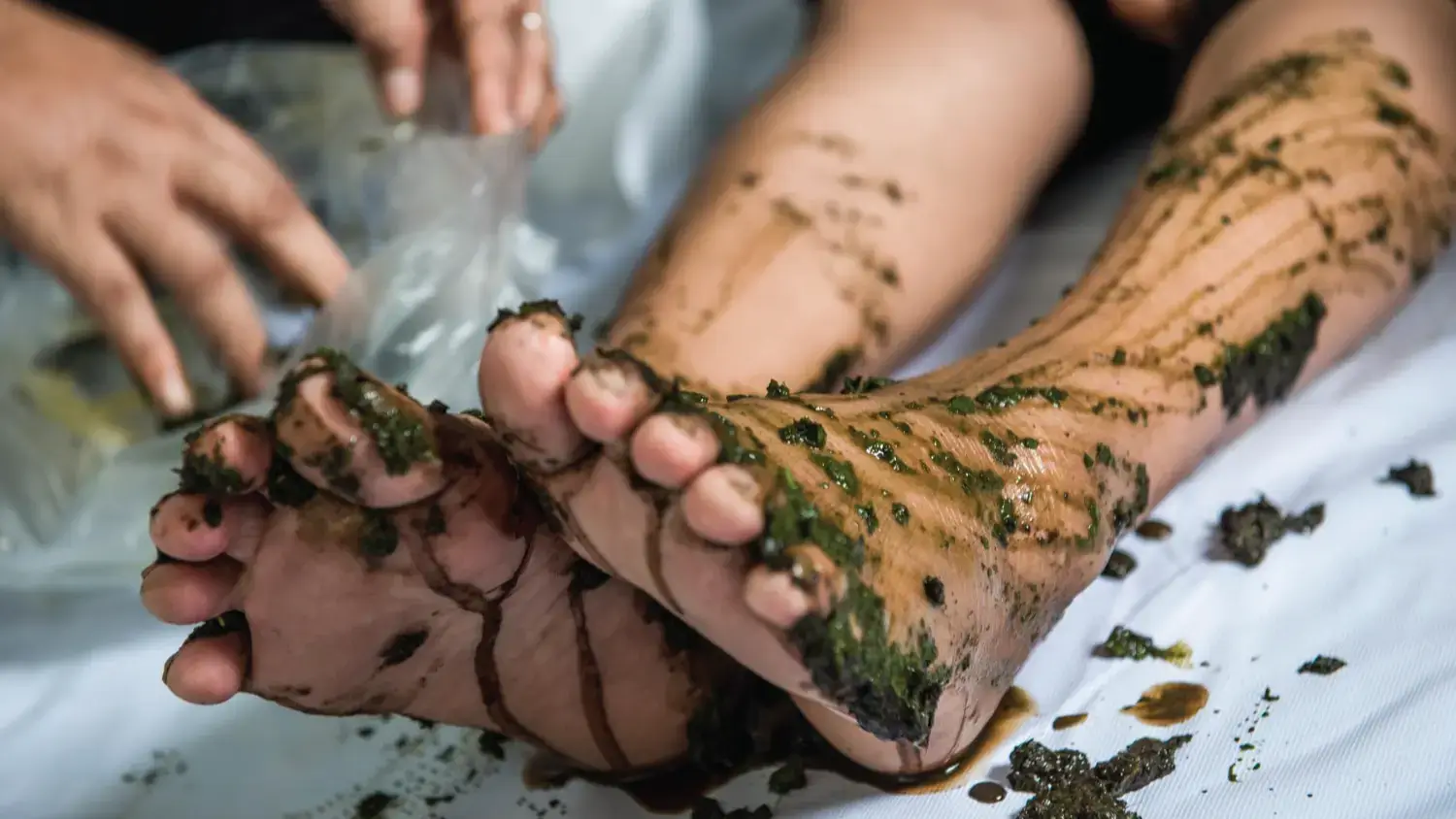
- Neem leaves paste: Traditionally used in Ayurveda for cleansing wounds
3. Use Healing Herbs and Remedies
Herbs have bioactive compounds that support tissue repair and reduce inflammation. Common remedies:
- Turmeric: Contains curcumin, which accelerates healing
- Gotu Kola (Centella asiatica): Stimulates collagen production
- Calendula: Reduces swelling and prevents infection
These remedies are continually researched and recommended in modern natural cure practices.
4. Keep the Wound Moist and Protected
Moist wound environments heal faster than dry ones. Natural ways to maintain moisture:
- Apply a thin layer of coconut oil or honey
- Cover with sterile gauze to protect from dirt
- Change dressing once or twice daily
5. Promote Faster Recovery Through Diet and Lifestyle
Healing isn’t only external; internal support is crucial. Include:
- Vitamin C-rich foods (citrus fruits, guava, bell peppers)
- Protein sources (eggs, legumes, nuts) to aid tissue repair
- Zinc (pumpkin seeds, spinach) for immune support
- Stay hydrated and get sufficient rest
Regular exercise and stress management also contribute to quicker recovery.
Top Natural Remedies for Wound Healing
1. Aloe Vera
Aloe vera accelerates tissue regeneration, reduces pain, and fights infection. Apply fresh gel directly to the wound for optimal results.
2. Honey
Honey’s natural antibacterial properties help keep wounds sterile. Use raw, organic honey as a thin layer on minor cuts.
3. Turmeric
Mix turmeric powder with a little water or coconut oil to form a paste. Turmeric’s anti-inflammatory properties reduce redness and swelling.
4. Coconut Oil
Coconut oil keeps the wound moist and protects against microbial infection. It also has soothing properties for sensitive skin.
5. Tea Tree Oil
Diluted tea tree oil works as a potent antiseptic. Always dilute with a carrier oil to prevent skin irritation.
When to Seek Medical Attention
While natural remedies are effective for minor wounds, consult a doctor if:
- Wound is deep or bleeding heavily
- Shows signs of infection (pus, redness, swelling, fever)
- Wound does not heal within 7–10 days
- Caused by animal bites or rusted objects
Tips for Preventing Wound Infections
Prevention is better than cure. Follow these tips:
- Wash hands before touching the wound
- Keep wounds covered until healed
- Avoid scratching scabs
- Maintain a healthy diet to support immunity
Ayurvedic Cure Hub emphasizes that prevention combined with natural remedies ensures faster, scar-free recovery.
Conclusion
Healing minor wounds naturally is a safe, effective, and holistic approach to skin care. By using natural antiseptics, healing herbs, proper wound care, and a nutrient-rich diet, you can accelerate recovery while minimizing the risk of infection. Embracing these methods, as promoted by Ayurvedic Cure Hub, highlights the power of ever-evolving natural cures in modern life.
Nature provides a wealth of remedies, and with a little care, minor wounds can heal swiftly, leaving your skin healthy and strong.
FAQs
Can minor wounds heal without any treatment?
Yes, minor wounds can heal naturally, but proper cleaning and care accelerate recovery and prevent infection.
How often should natural remedies be applied?
Apply natural remedies like honey or aloe vera 1–2 times daily after cleaning the wound.
Are herbal remedies safe for children?
Most herbal remedies are safe in small amounts, but always consult a pediatrician for severe cases.
Can turmeric stain skin or clothing?
Yes, turmeric can leave yellow stains on skin or fabrics. Wash off excess residue after a few hours.
Is coconut oil suitable for all skin types?
Coconut oil is generally safe, but people with oily or acne-prone skin should use it sparingly.
How long does it take for a minor wound to heal naturally?
Healing typically takes 5–10 days, depending on wound depth, care, and overall health.