
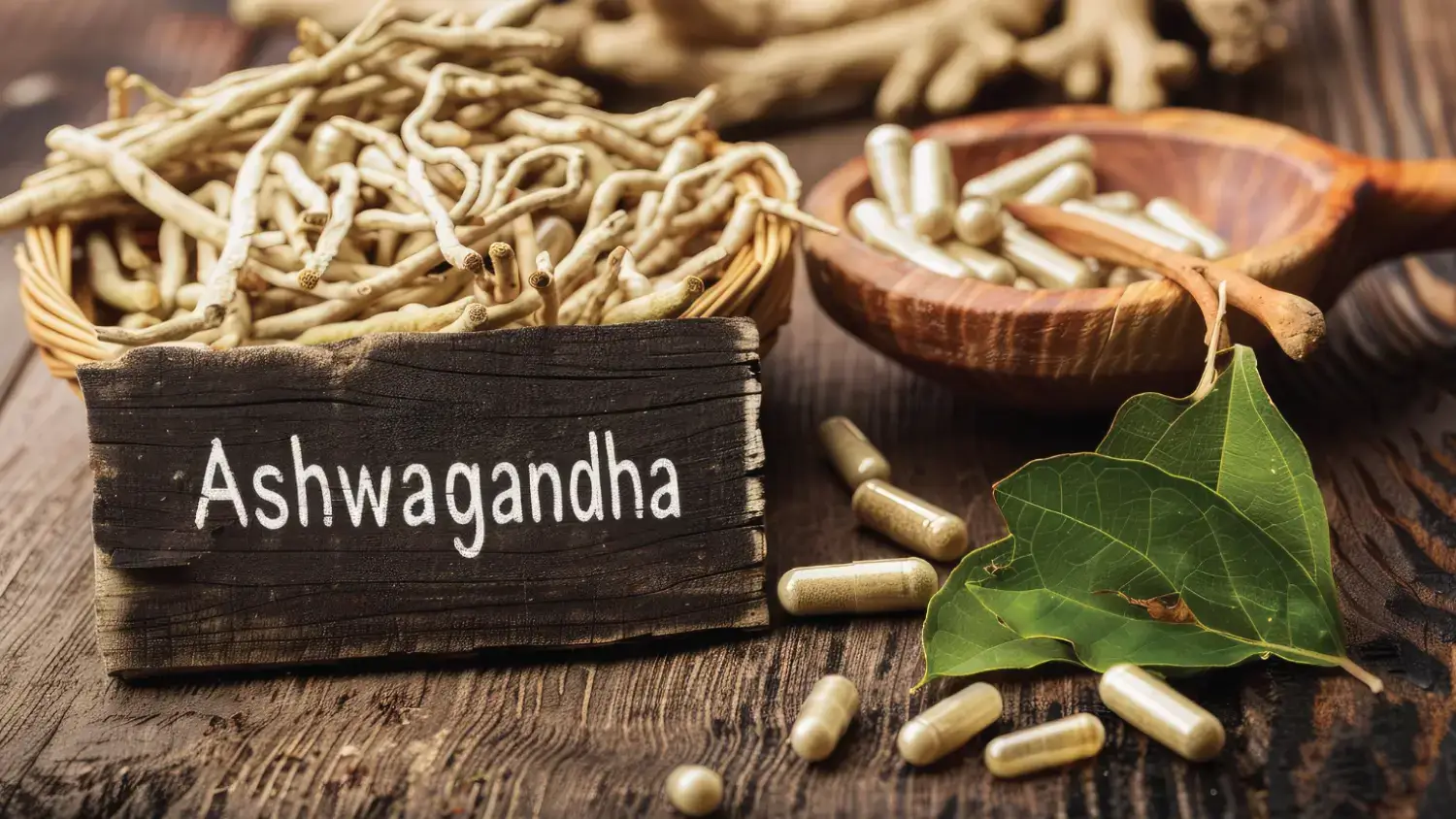
Discover the power of one of nature’s most revered herbs in the ever-evolving world of Herbal Medicine.
In today’s fast-paced world, people are rediscovering the healing potential of nature. Among the most celebrated herbs, Ashwagandha-often referred to as “Indian Ginseng” or “Withania somnifera”-stands tall as a cornerstone of traditional Ayurvedic medicine. This potent adaptogen has been used for thousands of years to enhance vitality, reduce stress, and improve overall well-being.
As modern science continues to validate its traditional uses, Ashwagandha has become a global symbol of the ever-evolving Herbal Medicine movement. At Ayurvedic Cure Hub, we believe in bridging ancient wisdom with modern research to help people experience holistic healing naturally.
What Is Ashwagandha?
Ashwagandha is a small woody shrub native to India, North Africa, and parts of the Middle East. The name “Ashwagandha” comes from Sanskrit-“Ashwa” meaning horse and “Gandha” meaning smell-symbolizing its ability to impart the strength and vitality of a horse.
Belonging to the Solanaceae (nightshade) family, Ashwagandha is classified as an adaptogenic herb, which means it helps the body adapt to stress, restore balance, and promote resilience. Both its roots and leaves are used for therapeutic purposes in Ayurvedic medicine.
The Ancient Roots of Ashwagandha in Herbal Medicine
Ashwagandha has been a revered herb in Ayurveda for over 3,000 years. Ancient texts such as the Charaka Samhita and Sushruta Samhita mention it as a “Rasayana” – a rejuvenating herb that promotes longevity, mental clarity, and physical strength.
In traditional herbal medicine, Ashwagandha was prescribed for a variety of conditions including fatigue, insomnia, arthritis, infertility, and nervous system disorders. Its reputation as a holistic tonic continues today, reflecting its timeless importance in both traditional and modern healing systems.
Top Health Benefits of Ashwagandha
Ashwagandha is known for its multi-dimensional benefits, targeting physical, mental, and emotional health. Let’s explore its most notable advantages:
1. Reduces Stress and Anxiety
One of the most researched benefits of Ashwagandha is its ability to reduce cortisol levels-the stress hormone. Regular consumption of Ashwagandha helps the body combat anxiety, calm the nervous system, and promote emotional balance.
Scientific Insight:
Studies show that Ashwagandha root extract can lower cortisol levels by up to 30%, making it a natural alternative to chemical-based stress relievers.
2. Enhances Energy and Stamina
Ashwagandha supports adrenal health, helping to boost energy levels and endurance without overstimulating the body. Athletes and fitness enthusiasts use it to improve performance, strength, and recovery time.
Ayurvedic Perspective:
It rejuvenates Ojas-the body’s vital energy-enhancing resilience and vitality.
3. Boosts Brain Function and Memory
The herb is a powerful neuroprotective agent. It promotes better focus, sharper memory, and cognitive clarity by improving brain cell communication and reducing oxidative stress.
Research Insight:
Clinical studies show Ashwagandha enhances cognitive function and may help in conditions like Alzheimer’s and Parkinson’s diseases due to its antioxidant properties.
4. Improves Sleep Quality
If you struggle with insomnia or restless sleep, Ashwagandha can help. Its natural calming effects soothe the nervous system, promoting deeper and more restorative sleep cycles.
Traditional Use:
Ayurvedic practitioners often recommend a warm Ashwagandha milk drink before bed for enhanced relaxation.
5. Balances Hormones and Supports Reproductive Health
Ashwagandha has been shown to balance hormones, particularly by supporting thyroid and adrenal glands. It can enhance fertility in both men and women.
- For Men: Increases testosterone and sperm count.
- For Women: Supports menstrual health and alleviates symptoms of PMS and menopause.
6. Strengthens Immunity and Vitality
As an adaptogen and antioxidant, Ashwagandha helps strengthen the immune system and protect cells from free radical damage. It enhances white blood cell activity and supports the body’s natural defense mechanisms.
How to Use Ashwagandha Effectively
To experience the maximum benefits of Ashwagandha, it’s essential to understand how and when to use it.
1. Forms of Ashwagandha
Ashwagandha is available in several convenient forms, including:
- Powder (Churna): Traditional and versatile. Can be mixed with milk, honey, or ghee.
- Capsules/Tablets: Easy to consume, ideal for busy lifestyles.
- Liquid Extracts/Tinctures: Fast-absorbing and potent.
- Ashwagandha Tea: A calming beverage for stress relief.
2. Recommended Dosage
- Powder: 1–2 teaspoons (3–6 grams) daily.
- Capsules: 300–500 mg, once or twice a day.
- Extract: Follow manufacturer recommendations (often 1–2 ml daily).
Tip: Always start with a small dose and gradually increase as your body adjusts.
3. Best Time to Take Ashwagandha
- Morning: For energy, focus, and mental clarity.
- Evening: For relaxation and better sleep.
Many Ayurvedic experts recommend taking Ashwagandha with warm milk or honey to enhance absorption and effectiveness.
Combining Ashwagandha with Other Herbs
Ashwagandha works synergistically with other herbs for enhanced benefits:
- With Brahmi: Improves cognitive function and focus.
- With Shatavari: Supports female reproductive health.
- With Tulsi (Holy Basil): Strengthens immunity and stress resistance.
- With Gokshura: Boosts stamina and male vitality.
This adaptability makes Ashwagandha a cornerstone of ever-evolving Herbal Medicine, as practitioners continue to innovate herbal blends for modern needs.
Potential Side Effects and Precautions
While Ashwagandha is generally safe for most people, it’s important to be aware of a few precautions:
- Avoid Overuse: High doses may cause digestive upset or drowsiness.
- Pregnancy & Breastfeeding: Consult a doctor before use.
- Thyroid Disorders: Since it can influence hormone levels, medical guidance is essential.
- Medication Interactions: May interact with sedatives, thyroid medications, or blood pressure drugs.
Always consult an Ayurvedic practitioner or healthcare provider before beginning any herbal supplement.
Ever-Evolving Herbal Medicine: The Modern Role of Ashwagandha
The world of Herbal Medicine is constantly advancing with scientific validation and innovative formulations. Ashwagandha is no longer confined to traditional remedies-it’s now part of functional foods, dietary supplements, skincare, and stress-management products worldwide.
At Ayurvedic Cure Hub, we are passionate about preserving this ancient herb’s authenticity while making it accessible in modern, easy-to-use forms. The goal is to empower individuals to achieve holistic wellness through trusted herbal wisdom and scientific insight.
Conclusion
Ashwagandha is more than just a herbal supplement-it’s a time-tested remedy for modern stress, fatigue, and imbalance. From boosting mental focus to improving sleep and strengthening immunity, its benefits are vast and well-supported by both tradition and science.
As part of the ever-evolving Herbal Medicine landscape, Ashwagandha continues to prove its worth in natural healing. Whether you’re looking to enhance energy, reduce anxiety, or support hormonal balance, incorporating this powerful herb into your routine can transform your overall well-being.
For more insights, expert herbal guidance, and natural wellness solutions, explore Ayurvedic Cure Hub-your trusted partner in authentic Ayurvedic living.
FAQs
What is the best way to take Ashwagandha daily?
The best way to take Ashwagandha depends on your goals. For stress and energy, take it in the morning. For relaxation and sleep, take it before bedtime. It can be consumed as a powder with milk or in capsule form.
How long does it take for Ashwagandha to work?
Results vary, but most people notice benefits within 2 to 4 weeks of consistent use. Effects such as better sleep, reduced stress, and improved energy may appear gradually.
Can I take Ashwagandha every day?
Yes. Ashwagandha is safe for daily use when taken in recommended doses. Regular intake helps maintain balance in body and mind.
Is Ashwagandha safe for women?
Absolutely. Ashwagandha supports female reproductive health, balances hormones, and eases menstrual discomfort. However, pregnant or breastfeeding women should consult a healthcare professional first.
Can Ashwagandha be taken with other supplements?
Yes, it can be combined with other adaptogenic herbs or vitamins. Still, consult an expert to avoid possible interactions with prescription medicines.
Does Ashwagandha help with weight loss?
Indirectly, yes. By lowering cortisol levels and improving energy metabolism, Ashwagandha may support weight management when paired with a healthy diet and lifestyle.


