
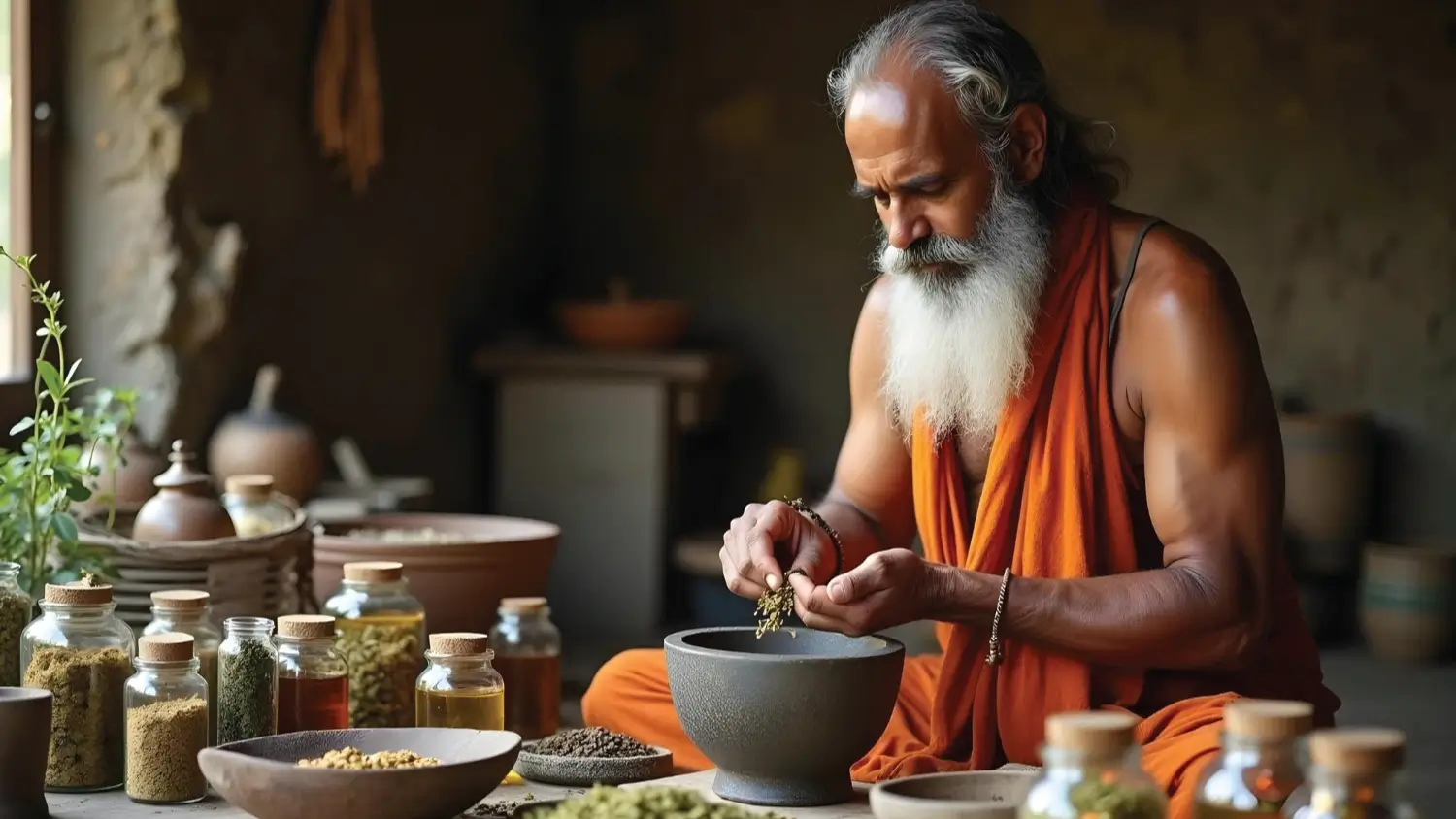
Ayurveda, the ancient science of life, believes that true health comes from a perfect balance between body, mind, and spirit. One of the cornerstones of Ayurvedic philosophy is the concept of Doshas-the unique energies that govern our physiological and psychological functions. When these doshas-Vata, Pitta, and Kapha-are in balance, we experience vitality, peace, and harmony. But when imbalanced, they can lead to various physical or emotional disturbances.
In today’s fast-paced modern world, stress, irregular sleep, processed foods, and digital overload easily disrupt our natural equilibrium. Fortunately, Ayurveda provides time-tested natural remedies to restore this balance. In this guide from Ayurvedic Cure Hub, we’ll explore how to balance your doshas naturally with Ayurveda using mindful diet, herbs, routines, and rejuvenating therapies.
Understanding the Three Doshas: Vata, Pitta, and Kapha
Ayurveda identifies three primary energies or Doshas that shape our physical constitution, personality, and health tendencies.
Vata Dosha (Air & Space)
- Qualities: Light, dry, cold, quick, and changeable
- Functions: Governs movement, breathing, circulation, and nerve impulses
- Balanced Vata: Creativity, flexibility, enthusiasm
- Imbalanced Vata: Anxiety, dryness, insomnia, irregular digestion
Pitta Dosha (Fire & Water)
- Qualities: Hot, sharp, oily, and intense
- Functions: Controls metabolism, digestion, and transformation
- Balanced Pitta: Intelligence, confidence, strong digestion
- Imbalanced Pitta: Anger, acidity, inflammation, irritability
Kapha Dosha (Earth & Water)
- Qualities: Heavy, slow, cool, and stable
- Functions: Provides structure, strength, and lubrication
- Balanced Kapha: Calmness, patience, stability
- Imbalanced Kapha: Lethargy, weight gain, attachment, congestion
Each individual has a unique Prakriti (constitution) determined by the proportion of these doshas at birth. Maintaining this natural ratio is key to holistic health.
Signs of Dosha Imbalance
Before balancing your doshas, it’s essential to recognize the symptoms of imbalance.
| Vata Imbalance | Pitta Imbalance | Kapha Imbalance |
|---|---|---|
| Anxiety, restlessness, dry skin, constipation, insomnia | Heartburn, anger, inflammation, excessive hunger, skin rashes | Fatigue, weight gain, congestion, depression, water retention |
Once you identify your primary imbalance, you can begin to restore equilibrium through Ayurvedic methods tailored to your dosha type.
How Ayurveda Helps Balance the Doshas Naturally
Ayurveda offers a holistic and personalized approach to healing. It doesn’t just target symptoms-it addresses the root cause by aligning your lifestyle with nature’s rhythm.
1. Diet and Nutrition
Food is medicine in Ayurveda. Each dosha benefits from certain tastes and avoids others:
Vata Balancing Diet
Favor: Warm, moist, oily foods like soups, stews, ghee, and cooked grains
Avoid: Cold, raw, dry, or processed foods
Recommended spices: Ginger, cumin, cinnamon
Pitta Balancing Diet
- Favor: Cooling, hydrating foods such as cucumbers, melons, coconut, and leafy greens
- Avoid: Spicy, oily, or fermented foods
- Recommended spices: Coriander, fennel, cardamom
Kapha Balancing Diet
- Favor: Light, warm, dry foods like legumes, spicy vegetables, and herbal teas
- Avoid: Dairy, fried foods, and sugary treats
- Recommended spices: Black pepper, turmeric, mustard seed
2. Lifestyle Adjustments
Routine is a powerful healer in Ayurveda. Aligning your daily habits with your dosha type can dramatically improve balance.
For Vata:
- Keep a regular schedule for sleep, meals, and work.
- Practice gentle yoga and meditation.
- Stay warm and avoid excessive travel or overstimulation.
For Pitta:
- Take breaks from intense work.
- Engage in cooling activities like swimming or moon gazing.
- Prioritize emotional balance with calming breathwork.
For Kapha:
- Wake up early (before sunrise).
- Engage in vigorous exercise daily.
- Avoid excessive napping or overeating.
3. Herbal Remedies
Ayurveda’s herbal wisdom provides natural tools for balancing doshas. These herbs are part of ever-evolving Ayurveda remedies used for centuries:
| Dosha | Balancing Herbs | Benefits |
|---|---|---|
| Vata | Ashwagandha, Shatavari, Licorice | Grounding, calming, strengthens the nervous system |
| Pitta | Amalaki, Guduchi, Neem | Cooling, detoxifying, reduces inflammation |
| Kapha | Trikatu, Tulsi, Guggul | Stimulates metabolism, clears congestion, energizes |
These herbs can be taken as powders, teas, or in formulations like churnas or tablets, under the guidance of an Ayurvedic practitioner.
4. Yoga and Meditation
Ayurveda and Yoga are sister sciences. Incorporating yoga postures and meditation techniques can support dosha harmony.
- For Vata: Slow, grounding poses-Mountain Pose, Forward Fold, Child’s Pose
- For Pitta: Cooling postures-Moon Salutation, Cobra Pose, Forward Bends
- For Kapha: Energizing postures-Sun Salutation, Warrior Poses, Backbends
Meditation and pranayama (breathwork) help reduce stress and restore mental clarity, crucial for maintaining dosha balance.
5. Ayurvedic Detoxification (Panchakarma)
When toxins (Ama) accumulate, they block energy flow and disturb doshas. Panchakarma, the ancient detox therapy, uses five cleansing procedures-Vamana, Virechana, Basti, Nasya, and Raktamokshana-to remove toxins and restore balance.
Many wellness centers and trusted online platforms like Ayurvedic Cure Hub guide individuals through safe, home-based detox plans for rejuvenation and energy restoration.
Seasonal Dosha Balancing Tips
Each season influences the doshas differently, so Ayurveda recommends Ritucharya (seasonal routines):
- Winter (Kapha Season): Focus on warmth, spicy foods, and regular exercise.
- Summer (Pitta Season): Emphasize hydration, cooling herbs, and relaxation.
- Autumn (Vata Season): Nourish with warm oils, soups, and calming routines.
By aligning with nature’s cycles, you can prevent seasonal illnesses and stay balanced year-round.
Ever-Evolving Ayurvedic Remedies for Modern Life
Ayurveda continues to evolve, integrating ancient knowledge with modern science. From herbal supplements to Ayurvedic oils and adaptogenic blends, today’s remedies are designed for the stressful digital lifestyle.
For example:
- Herbal adaptogens like Ashwagandha support stress resilience.
- Triphala promotes digestive harmony.
- Brahmi enhances mental clarity and focus.
At Ayurvedic Cure Hub, experts curate authentic Ayurvedic formulations and lifestyle guides that blend tradition with innovation-empowering you to live a balanced, vibrant life naturally.
Key Takeaways
- Ayurveda focuses on restoring balance between Vata, Pitta, and Kapha.
- Diet, daily routine, herbs, and yoga are the pillars of dosha harmony.
- Identifying your dominant dosha helps personalize your lifestyle.
- Ever-evolving Ayurvedic remedies offer practical solutions for today’s fast-paced world.
- Consistency and mindfulness are key to long-term balance.
Conclusion
Balancing your doshas naturally with Ayurveda is a journey of self-awareness and harmony with nature. By tuning into your body’s rhythms, eating wisely, following mindful routines, and using time-tested herbal remedies, you can restore vitality and peace.
Remember, balance is not about perfection-it’s about returning to your natural state of well-being. Let Ayurvedic Cure Hub be your trusted companion in discovering the timeless wisdom of Ayurveda for modern living.
FAQs
How can I determine my dominant dosha?
You can discover your dosha through an Ayurvedic consultation or an online quiz based on your body type, emotions, and preferences. Observing your physical and emotional patterns also helps identify your dominant dosha.
Can diet alone balance my doshas?
Diet plays a vital role, but Ayurveda recommends a holistic approach-including sleep, stress management, herbal support, and physical activity-for true dosha balance.
Are Ayurvedic herbs safe for daily use?
Most Ayurvedic herbs are safe when used under proper guidance. Always buy from trusted sources like Ayurvedic Cure Hub, which ensures purity and authenticity.
How long does it take to balance doshas naturally?
The time varies depending on your imbalance level and consistency. Mild imbalances may correct within weeks, while chronic issues may take months of steady practice.
Can Ayurveda help with stress and anxiety related to dosha imbalance?
Yes! Vata and Pitta imbalances often trigger stress or anxiety. Herbs like Ashwagandha, meditation, and warm oil massages are excellent Ayurvedic remedies for calming the mind.
Is Ayurveda suitable for everyone?
Absolutely. Ayurveda is a personalized system that adapts to every body type, age, and lifestyle. It emphasizes prevention and sustainable healing through natural means.